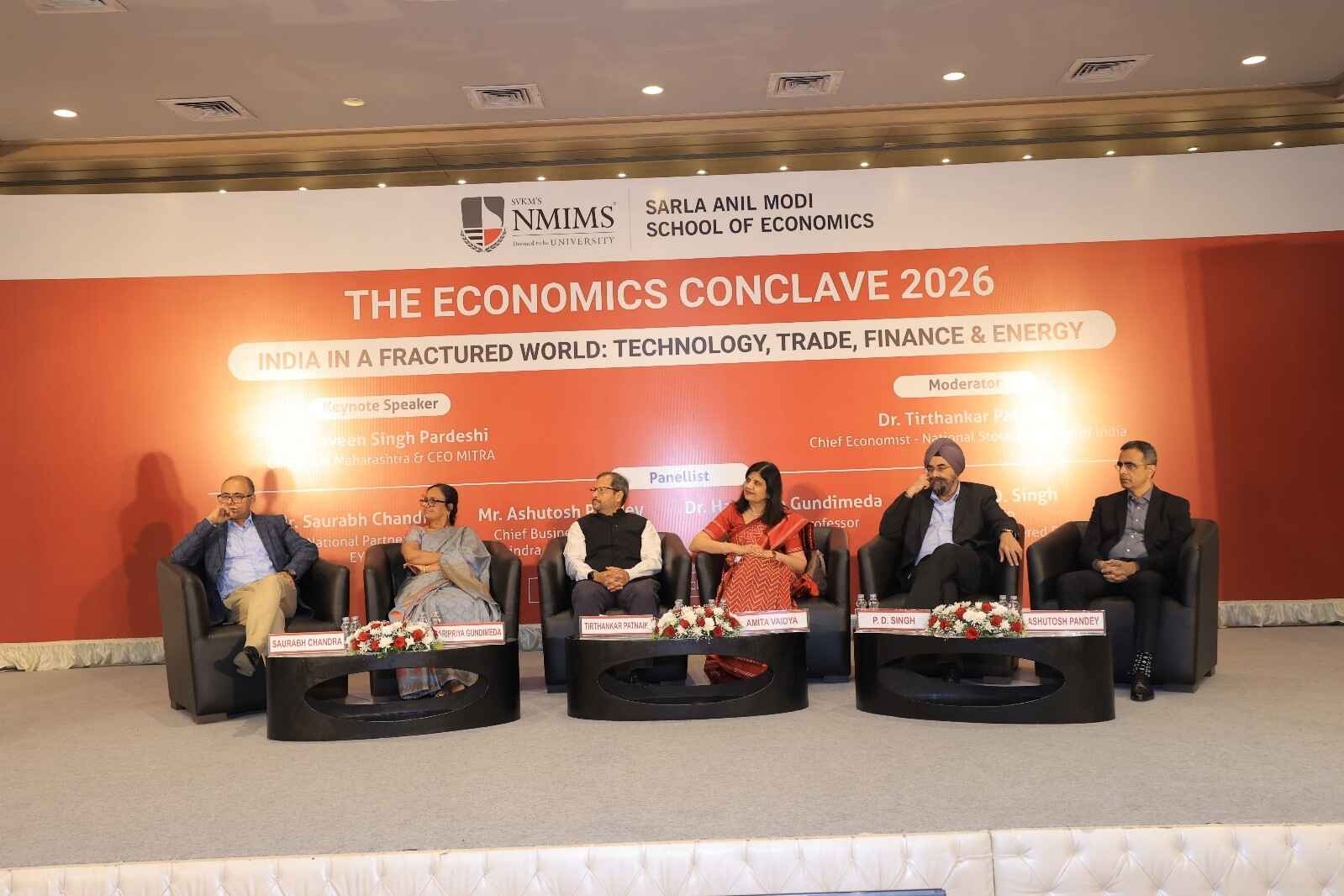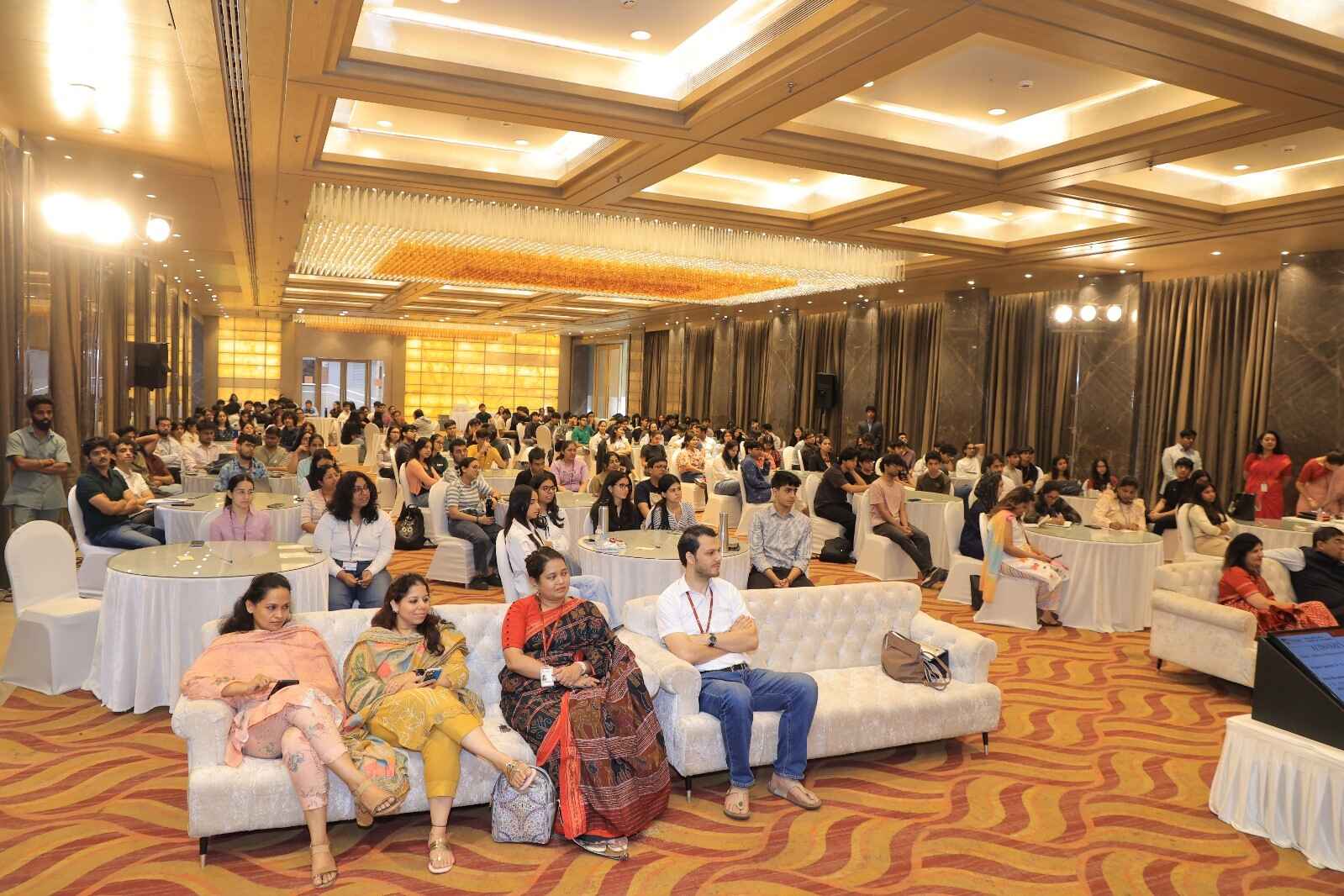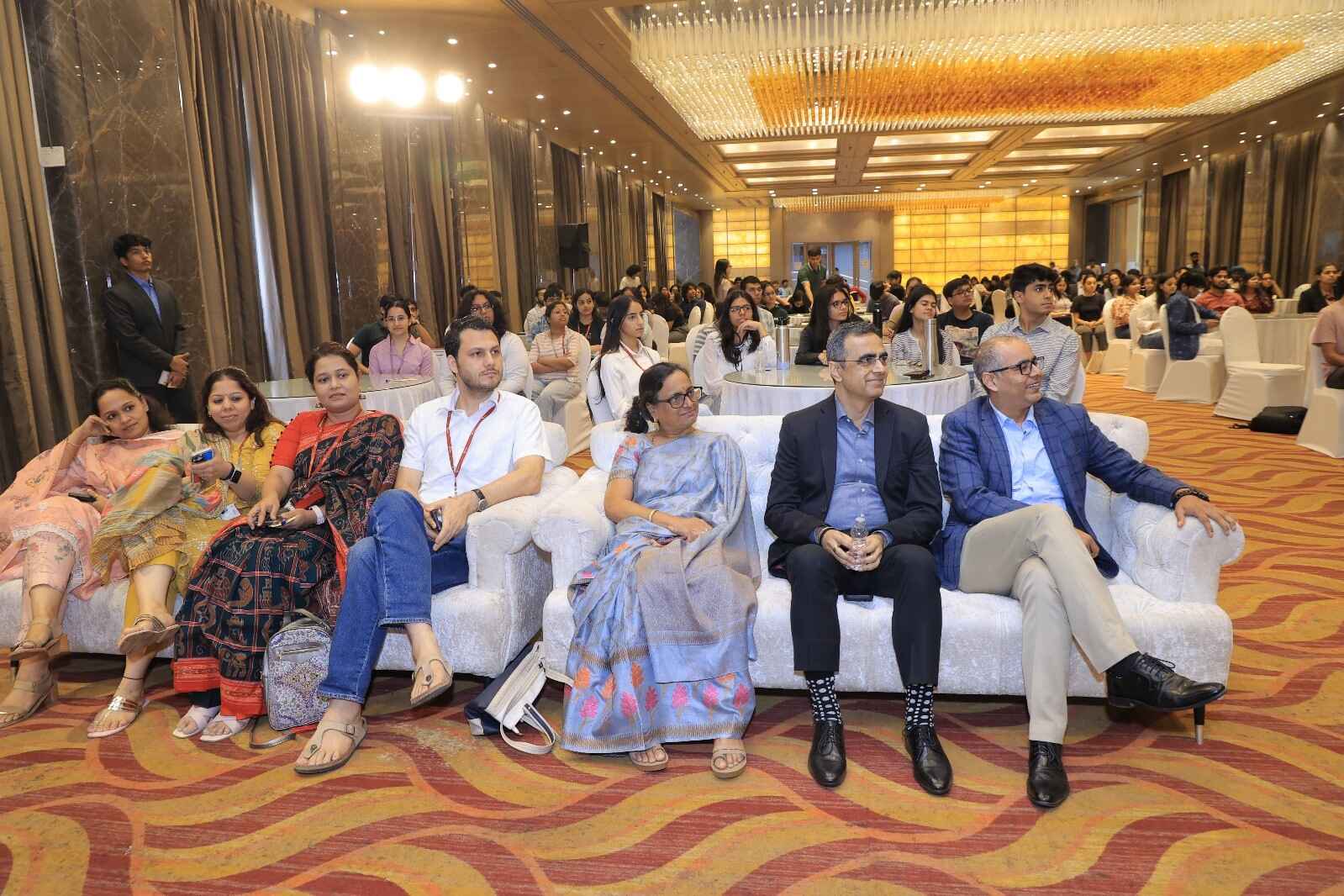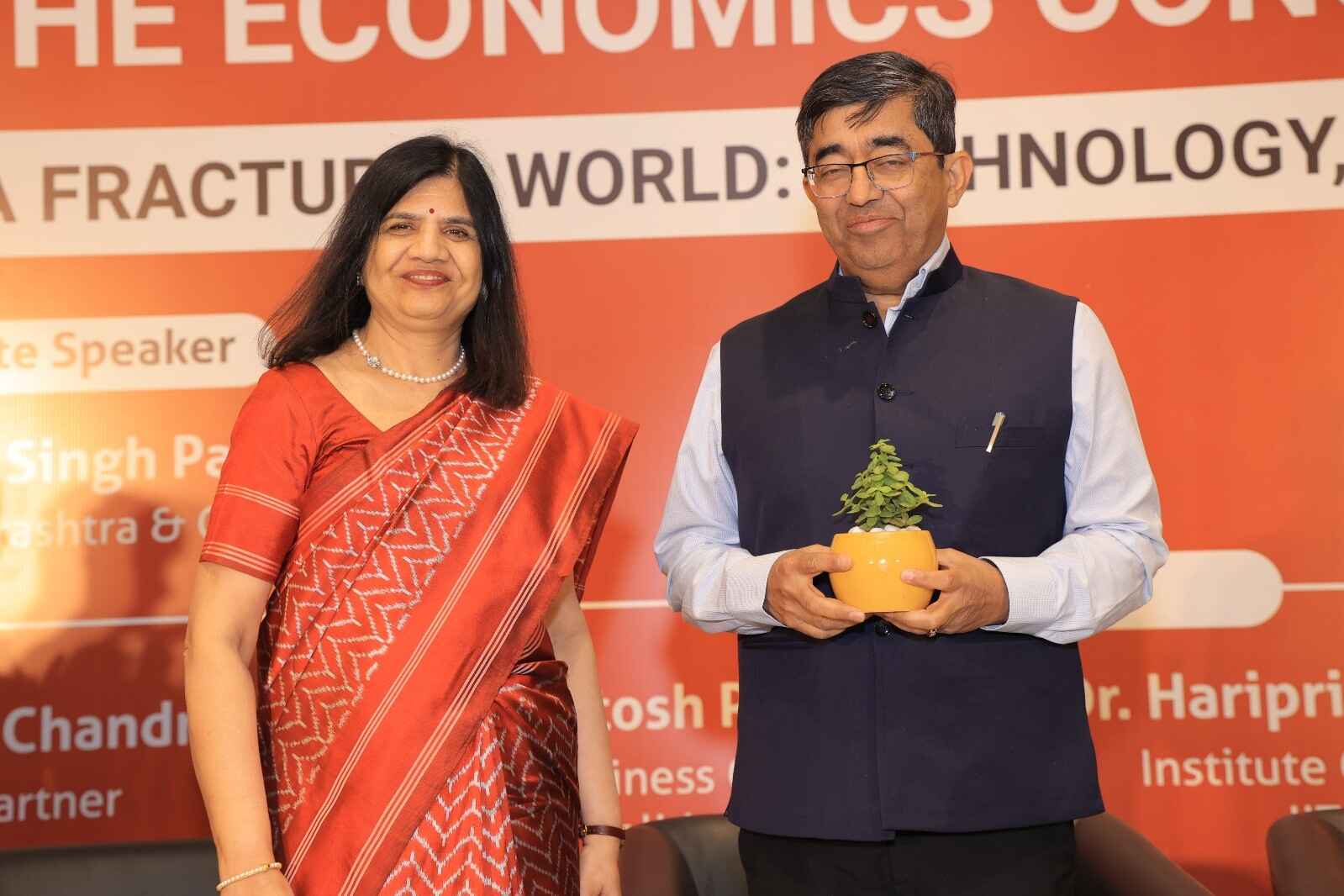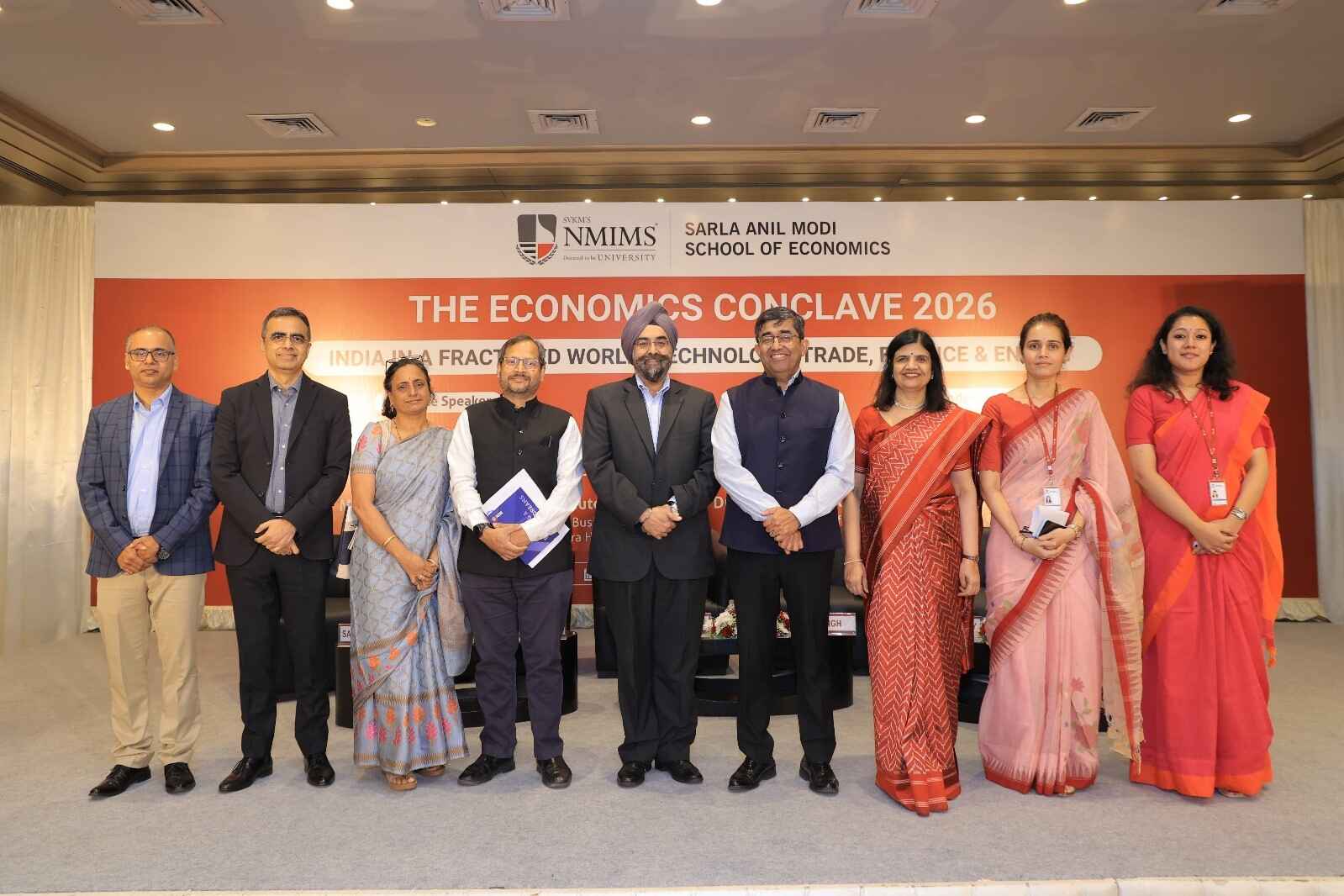
The Sarla Anil Modi School of Economics organised its annual Economics Conclave 2026 at NMIMS on the theme: "India in a Fractured World: Technology, Trade, Finances & Energy.” The event examined the economic challenges and opportunities facing India in an increasingly uncertain global environment shaped by geopolitical tensions, technological change, climate risks, and energy security concerns. The conclave began with welcome remarks by Professor Amita Vaidya, Director of the Sarla Anil Modi School of Economics, who highlighted the need to rethink economic resilience in a world characterised by volatility and uncertainty. She emphasised that countries today must balance competing priorities such as energy security, affordability, inflation management, and climate commitments.
Opening & Keynote Address
The keynote address was delivered by Shri Praveen Singh Pradeshi, who spoke on the importance of energy security and structural competitiveness in India’s economic future. He emphasised that ensuring the availability of energy in adequate volumes and at affordable prices is essential for sustaining economic growth. He noted that global supply disruptions highlight the need for policy shifts that reduce dependence on imported energy while strengthening domestic capacity. He also discussed the role of renewable energy investments, particularly solar power, in reducing electricity costs while lowering greenhouse gas emissions. He highlighted that India must strengthen human capital and technological capabilities to remain competitive in the global economy.
Panel Discussion: Key Insights
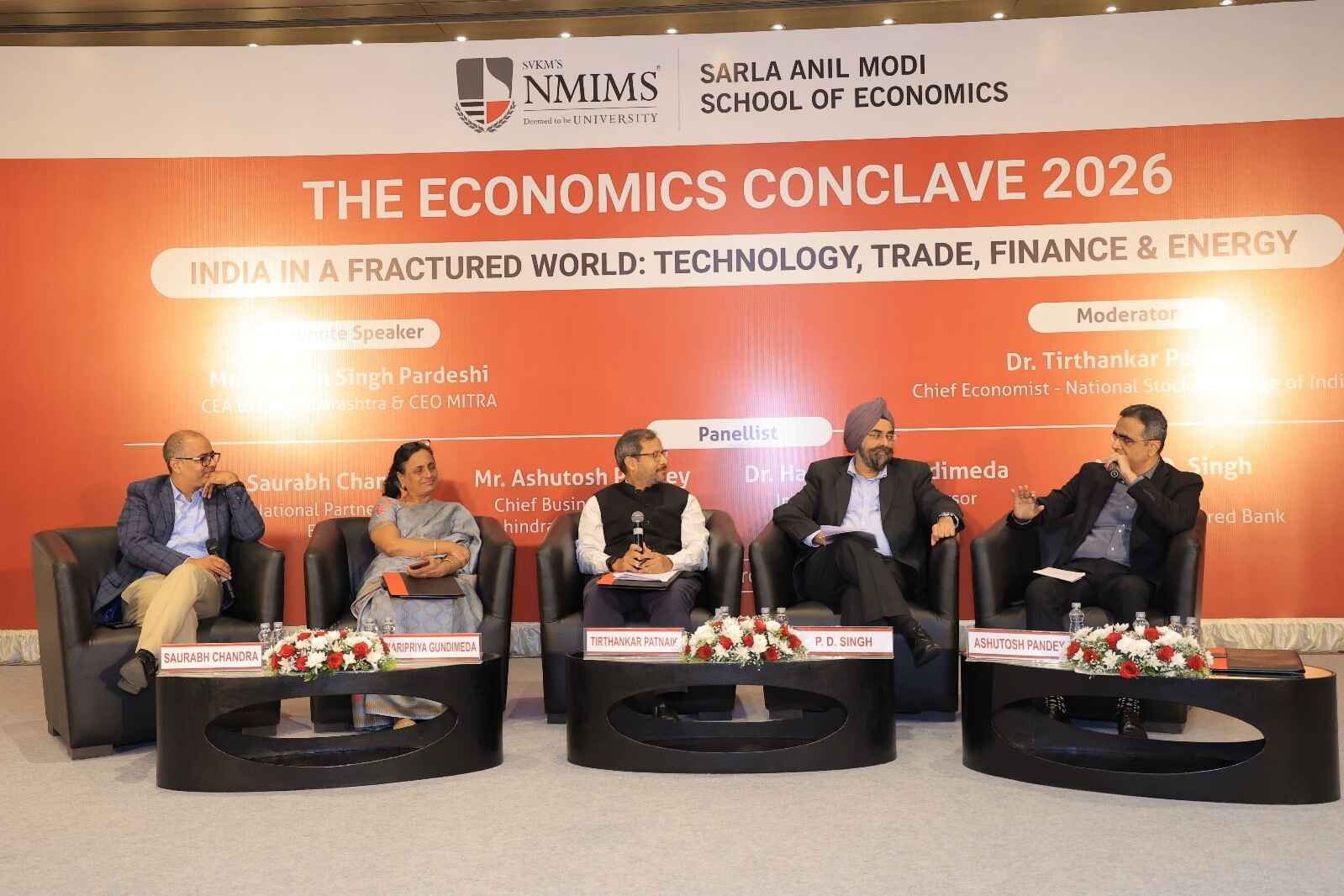
Moderated by Dr Tirthankar Patnaik, Chief Economist, NSE, the panel brought together experts from industry and academia. Dr Patnaik framed the discussion using the concepts of VUCA and BANI, emphasising the need for adaptive policymaking. He also noted India’s relatively stable macroeconomic position.
Mr Saurabh Chandra discussed India’s progress in financial inclusion, driven by digital infrastructure and real-time payments. He noted ongoing challenges such as usage gaps and gender disparities, while highlighting the potential of Generative AI in expanding access to financial services.
Mr P. D. Singh addressed recent capital outflows linked to global interest rate differentials. He emphasised that the growing role of domestic institutional and retail investors has helped maintain market stability during periods of volatility.
Dr Haripriya Gundimeda highlighted India’s climate vulnerability and dependence on imported energy. She stressed that climate change poses significant economic risks and called for stronger mitigation and adaptation strategies.
Mr Ashutosh Pandey discussed the potential of India’s tourism sector, noting gaps in infrastructure and global positioning. He emphasised that strengthening the sector could contribute significantly to employment and economic growth.
The conclave facilitated important discussions on the intersection of technology, finance, energy, and climate policy in shaping India’s development trajectory. Speakers highlighted the importance of financial resilience, human capital investment, sustainable energy strategies, and technological innovation.
The event concluded with a vote of thanks by Dr Pallavi Gupta, followed by an interactive session among participants.